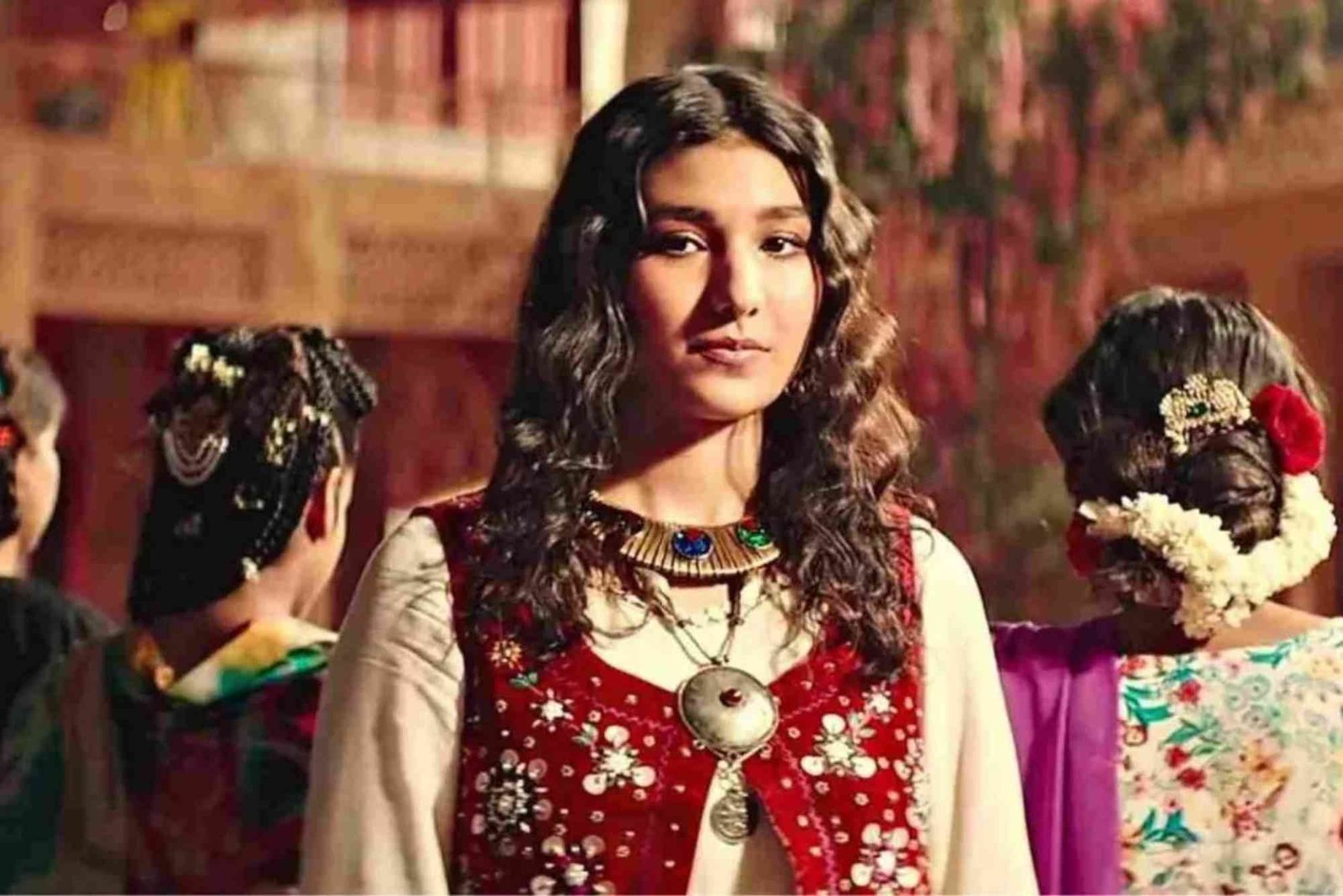
Introduction
“Pasoori” has taken the South Asian music scene by storm. Its catchy tune, soulful lyrics, and unique rhythm have sparked discussions worldwide. One question that keeps surfacing is, “Is Pasoori a Punjabi song?” Music lovers and cultural enthusiasts alike want to know whether this track belongs to the Punjabi music tradition or if it represents a fusion of multiple linguistic and cultural influences. Understanding the roots of “Pasoori” not only enriches your listening experience but also provides insights into how music evolves in South Asia today. In this article, we will explore the origins of “Pasoori,” analyze its linguistic and musical elements, and provide expert advice on its classification.
The Origins of Pasoori
“Pasoori” is a creation of Coke Studio, Pakistan’s iconic music platform known for blending traditional and contemporary sounds. It features vocals by Ali Sethi and Shae Gill, both of whom bring unique stylistic nuances to the song. The composition, penned by Ali Sethi and Xulfi, combines elements of folk, pop, and classical music, reflecting a diverse musical heritage.
When discussing the song’s origin, it’s essential to note that Coke Studio’s productions often transcend regional music boundaries. “Pasoori” incorporates lyrics in multiple dialects, and its instrumental arrangement reflects influences from South Asian folk traditions as well as modern pop music. This fusion makes it challenging to categorize the song strictly as Punjabi, Sindhi, or Urdu.
Linguistic Analysis: Is Pasoori A Punjabi Song?
The lyrics of “Pasoori” feature a mix of Punjabi, Urdu, and other South Asian linguistic elements. Punjabi music is typically characterized by specific dialects, traditional expressions, and cultural motifs. In “Pasoori,” listeners can identify Punjabi phrases and tonal patterns, which suggest a strong Punjabi influence.
However, the song does not strictly adhere to conventional Punjabi folk music structures. It blends multiple linguistic and musical elements, which gives it a universal appeal. The use of Urdu poetry within the song makes it resonate with audiences beyond the Punjabi-speaking community. Therefore, while “Pasoori” contains Punjabi elements, it is not limited to Punjabi music alone.
Musical Composition and Style
“Pasoori” is notable for its intricate musical composition. The arrangement combines traditional instruments like the dhol, flute, and tabla with contemporary beats. This hybrid approach creates a soundscape that feels both familiar and fresh.
Ali Sethi’s vocal delivery is influenced by classical South Asian singing techniques, whereas Shae Gill adds a modern, airy tone that appeals to younger audiences. The song’s melody follows a non-linear structure, typical of Coke Studio’s experimental style. This approach allows the song to connect with listeners across linguistic and cultural backgrounds, further complicating a straightforward classification as a Punjabi song.
Cultural Impact of Pasoori
Since its release, “Pasoori” has become a cultural phenomenon. Its popularity spans across Pakistan, India, and international South Asian communities. Social media platforms are flooded with covers, remixes, and dance videos, reflecting the song’s universal appeal.
Culturally, “Pasoori” represents the evolving identity of South Asian music. It breaks traditional boundaries, combining regional influences with modern pop aesthetics. This trend illustrates how music today often reflects a fusion of cultural identities rather than being confined to a single linguistic or ethnic category.
Expert Opinions
Music experts and cultural analysts emphasize that “Pasoori” should be appreciated for its hybrid nature. According to musicologists, while the song contains Punjabi lyrics and musical motifs, its production and overall style draw from multiple traditions.
Experts suggest that attempting to classify “Pasoori” strictly as Punjabi could undermine its artistic value. Instead, understanding it as a cross-cultural creation allows listeners to appreciate the innovative blending of South Asian musical elements. For those exploring the question “Is Pasoori A Punjabi Song,” the answer lies in acknowledging both the Punjabi influences and the broader musical experimentation.
Practical Tips for Enjoying Pasoori
If you want to enjoy “Pasoori” to the fullest, consider the following practical tips:
Understanding the Lyrics
Familiarize yourself with both the Punjabi and Urdu components of the song. Translating the lyrics can reveal nuanced expressions and cultural references that enhance appreciation.
Listening to Instrumentation
Focus on the instruments and arrangement. Noticing how traditional dhol beats interact with modern synths can deepen your understanding of the song’s unique fusion.
Exploring Covers and Remixes
Many artists across South Asia have created interpretations of “Pasoori.” Exploring these versions can provide insights into how different musical traditions engage with the song.
Contextualizing Culturally
Learn about Coke Studio’s vision and the cultural context of Pakistan’s music industry. Recognizing the platform’s role in promoting cross-cultural fusion will help you appreciate why “Pasoori” resonates globally.
Attend Live Performances
If possible, watch live renditions. Live performances often highlight improvisations and vocal nuances that are not captured in studio recordings.
The Debate: Punjabi Song or South Asian Fusion?
The debate over whether “Is Pasoori A Punjabi Song ” is a Punjabi song reflects broader discussions about language, culture, and music in South Asia. While the song carries clear Punjabi influences, labeling it solely as Punjabi overlooks its multi-dimensional nature.
“Pasoori” exemplifies a contemporary trend where songs blend regional languages, folk melodies, and modern pop structures. This fusion appeals to a global audience while still honoring regional roots. As a result, music enthusiasts increasingly view “Pasoori” as a cross-cultural South Asian composition rather than confining it to a single linguistic identity.
Why Pasoori’s Popularity Matters
The widespread popularity of “Pasoori” demonstrates how hybrid music can transcend borders. It connects listeners from different linguistic, cultural, and generational backgrounds. The song’s success also highlights the potential for regional music to reach global audiences without compromising its cultural essence.
By analyzing “Pasoori,” we can see how South Asian artists are redefining music, embracing innovation while honoring tradition. This approach ensures that cultural heritage remains relevant in a rapidly evolving musical landscape.
So, is “Pasoori” a Punjabi song? The answer is nuanced. While it contains significant Punjabi elements, the song’s linguistic diversity, musical fusion, and innovative arrangement make it a cross-cultural South Asian composition. Understanding “Pasoori” in this light allows listeners to appreciate its artistic complexity and cultural significance.
For music enthusiasts seeking to explore South Asian fusion, “Pasoori” is a perfect case study. By analyzing its lyrics, instrumentation, and cultural impact, you can gain a deeper appreciation of how contemporary music bridges traditional and modern elements.
Discover more insights and analysis about regional music and cross-cultural compositions by exploring “Is Pasoori A Punjabi Song.”
Enhance your music knowledge and experience by listening carefully, exploring covers, and learning about the cultural contexts behind your favorite songs. This approach transforms passive listening into an immersive and enriching musical journey.
“Is Pasoori A Punjabi Song” offers a fascinating example of how modern South Asian music transcends traditional boundaries, making it an essential listen for any music enthusiast.
FAQs
Is Pasoori a Punjabi song or Urdu song?
“Pasoori” features both Punjabi and Urdu lyrics. It is not confined to one language but is a fusion of multiple South Asian linguistic elements.
Who sings Pasoori?
Ali Sethi and Shae Gill perform “Pasoori,” blending classical and contemporary vocal styles.
What instruments are used in Pasoori?
Traditional instruments like dhol, flute, and tabla are combined with modern synths and beats to create a hybrid sound.
Why is Pasoori so popular?
Its fusion of regional and modern elements, catchy melody, and relatable lyrics have made it a global phenomenon.
Where can I learn more about South Asian music?
You can explore resources like Read more on www.britannica.com for detailed insights into South Asian music history and traditions.
How can I appreciate Pasoori fully?
Understand its lyrics, explore its instrumentation, listen to covers, and consider the cultural context to deepen your appreciation.