

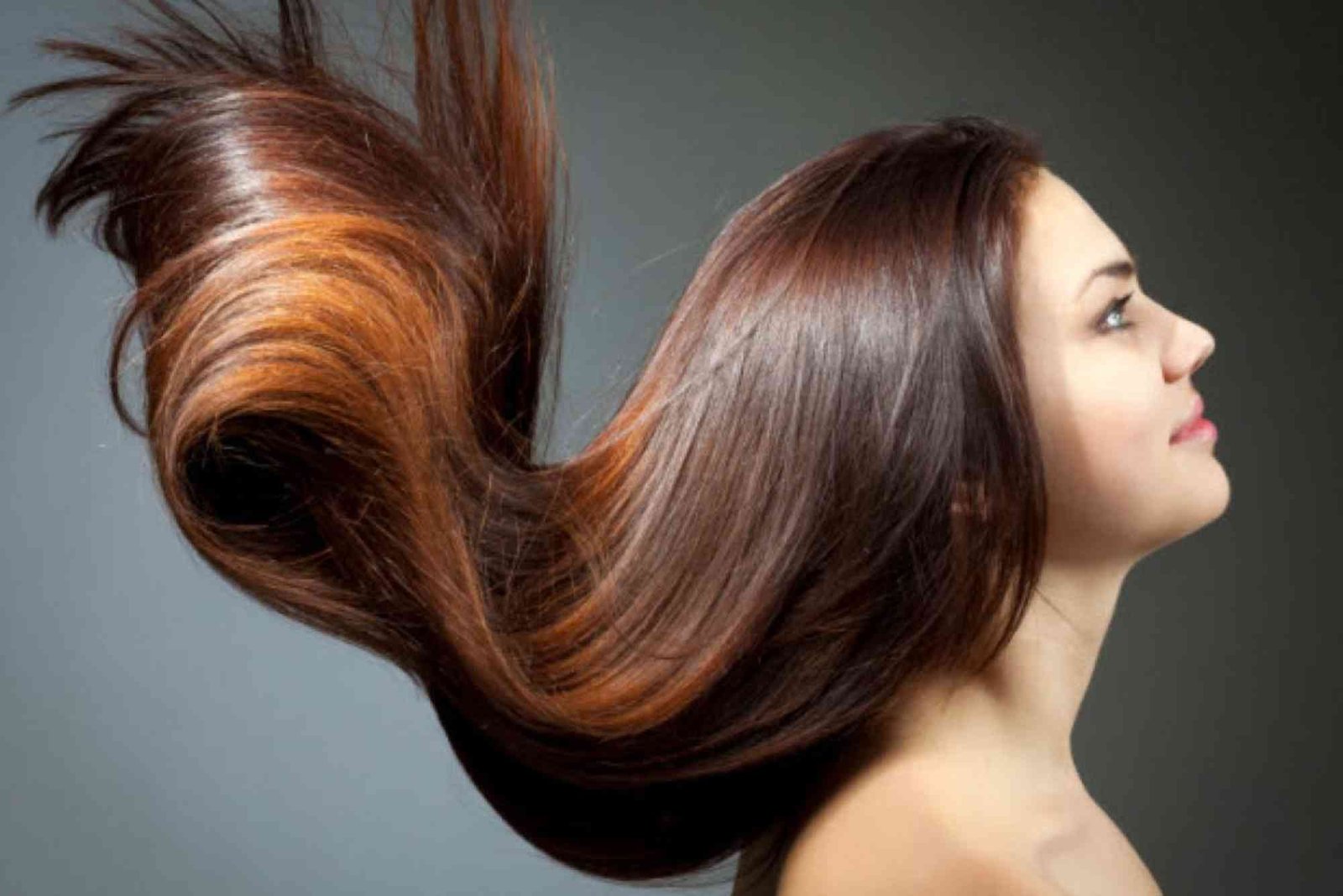
Healthy hair growth doesn’t happen by accident — it thrives from mindful care, proper nutrition, and consistent habits that protect your strands from damage. Whether you’ve struggled with slow growth, breakage, or dullness, understanding how hair works and what it needs makes all the difference. In this comprehensive guide, we share the best haircare tips for healthy hair growth that help you achieve stronger, shinier, and longer hair naturally. These strategies are backed by expert insights and simple routines you can adapt to your lifestyle.
Understanding Healthy Hair Growth
Your hair goes through three primary phases: growth, transition, and rest. Each strand’s journey is influenced by genetics, diet, stress levels, and how you care for it daily. Healthy hair growth doesn’t happen overnight. It’s a continuous process that depends as much on what you do outside the shower as what you do inside it. When you adopt a holistic approach — from cleaning your scalp to nourishing your body — you create the ideal conditions for growth and resilience.
Researchers agree that maintaining a healthy scalp environment and reducing damage are key to long-lasting hair growth. External factors like pollution, heat styling, and harsh treatments can disrupt the natural cycle and lead to breakage. By focusing on gentle care and strengthening routines, you give each hair strand the best possible chance to thrive.
Start With a Healthy Scalp
A healthy scalp lays the foundation for healthy hair growth. Just like a plant needs fertile soil, hair needs a clean, well-nourished scalp to flourish. Poor scalp health often shows up as dryness, itchiness, or flakiness. These conditions can block hair follicles and slow growth over time. Investing time in scalp care improves circulation, reduces buildup, and promotes stronger hair.
Begin by choosing a gentle shampoo that suits your scalp type. If oiliness is an issue, look for formulas that balance sebum without stripping moisture. For dryness, products with hydrating ingredients help keep the scalp supple. Be careful with shampoos that contain harsh sulfates, as they can irritate the scalp and weaken strands. When you massage your scalp during washing, you stimulate blood flow, which supports follicle health and can encourage hair growth.
Choose Nourishing Haircare Products
Selecting the right haircare products is essential for healthy hair growth. Ingredients like biotin, keratin, and natural oils support strength and resilience, while silicones and heavy polymers can weigh hair down. When choosing a conditioner or mask, look for products that penetrate the hair shaft rather than just coating it. Deep conditioning once a week helps replenish lost moisture and reduces breakage.
Natural oils like argan, coconut, and jojoba mimic the scalp’s natural oils and provide nourishment without clogging follicles. Applying a lightweight oil to the ends can protect hair from environmental stressors and prevent split ends. Many experts also recommend avoiding products with excessive alcohol, as they can dry hair out and make it brittle. By choosing products that feed your hair rather than deplete it, you support a healthier growth pattern.
Trim Regularly to Prevent Breakage
It may seem counterintuitive, but trimming your hair regularly helps it grow healthier. Split ends travel up the hair shaft if left unchecked, leading to breakage and reducing the appearance of length. A small trim every 8–12 weeks keeps ends fresh and strengthens the overall hair structure.
Healthy hair growth isn’t just about length — it’s about keeping each strand intact. When hair is weaker at the ends, it breaks back before it can grow longer. By trimming split ends promptly, you reduce stress on the shaft and prevent unnecessary shedding. Consistency matters more than frequency; occasional light trims maintain shape without sacrificing length.
Eat a Hair‑Friendly Diet
What you eat reflects directly in your hair’s health. Hair is primarily made of protein, so it’s no surprise that a diet rich in protein supports growth. Lean meats, eggs, beans, and legumes provide the building blocks your body uses to create strong hair. In addition to protein, nutrients like zinc, iron, and omega‑3 fatty acids play vital roles in hair structure and follicle function.
Vitamins A and E support scalp health by promoting natural oil production and protecting cells from oxidative stress. Biotin — a B‑vitamin — is often linked to stronger hair and reduced shedding. While supplements can help, whole foods usually provide a more balanced nutrient profile. Hydration is equally important; water helps deliver nutrients to hair follicles and maintains moisture levels. When your diet supports your body’s needs, your hair reflects that strength from root to tip.
Manage Stress for Better Hair Health
Stress isn’t just a mental burden — it can affect hair growth too. When stress becomes chronic, it disrupts the growth cycle and can push more hairs into the shedding phase. This condition, known as telogen effluvium, often causes noticeable thinning a few months after a stressful event. While occasional stress is part of life, finding effective ways to manage it helps protect your hair.
Regular physical activity, meditation, and adequate sleep all support your body’s stress response systems. Even simple daily habits like mindful breathing or short walks can reduce tension and improve circulation. When you take intentional steps to manage stress, you support overall health — including the health of your hair.
Avoid Excessive Heat and Styling
Heat styling tools like straighteners and curling wands can transform your look, but frequent use damage hair over time. High temperatures weaken the hair shaft, strip moisture, and make strands more prone to breakage. If you want to support healthy hair growth, it’s important to limit heat styling and adopt gentler methods when possible.
When you do use heat, always apply a heat protectant spray first. These products create a barrier that reduces damage and helps your hair retain moisture. Consider embracing air‑drying or heat‑free styles on most days. Not only does this reduce stress on your hair, it also gives your scalp a break from constant styling pressure. Over time, reducing heat use pays off with stronger, more resilient strands.
Be Gentle When Brushing
The way we brush our hair matters more than many people realize. Brushing roughly, especially when hair is wet, leads to breakage and split ends. Wet hair is more elastic and fragile, so it’s critical to treat it with care. Use a wide‑tooth comb or a brush designed for detangling, and start from the ends. Work your way up slowly, smoothing out knots without pulling or ripping.
Brushing gently also helps distribute natural oils from the scalp down the length of the hair. These oils protect and condition and help maintain shine. Avoiding tight hairstyles that tug at the roots, like tight ponytails or braids, minimizes tension and reduces the risk of traction alopecia. With a gentle routine, each stroke supports growth rather than strain.
Protect Hair From Environmental Damage
Your hair faces environmental stressors every day — sunlight, pollution, wind, and humidity can all take a toll. UV rays from the sun can fade color and weaken keratin, the protein that gives hair its structure. Pollution particles settle on hair and scalp, leading to buildup that blocks follicles. Protecting hair from these elements helps maintain strength and shine.
Wearing a hat or scarf in harsh weather shields hair from direct exposure. Using products with UV protection can also help minimize sun damage. After a day outside, rinsing your hair gently or using a mild cleanser reduces buildup. Keeping environmental stressors at bay supports optimal hair growth and preserves the work you put into your routine.
Hydration Is Crucial for Hair Health
Hydration matters for skin and organs — and it matters for hair too. Hair strands themselves don’t contain living cells, but the follicle does. When your body is dehydrated, it prioritizes vital functions over hair growth. Drinking enough water each day ensures that nutrients reach the follicle and supports a healthy growth cycle.
In addition to drinking water, topical hydration plays a role. Leave‑in conditioners and hydrating masks help lock moisture into the hair shaft. These products can prevent dryness and reduce breakage, especially for curly or textured hair types. When hydration becomes part of your daily habits, your hair responds with increased flexibility and resilience.
Natural Remedies That Support Growth
Many natural remedies have been used for generations to support hair health. For example, aloe vera gel soothes the scalp and helps balance pH levels. Coconut oil penetrates deeply into the hair shaft and reduces protein loss, making it especially beneficial for dry or damaged hair. Castor oil is another traditional favorite that may help improve thickness when used consistently.
While natural remedies aren’t magical cures, they complement a balanced routine. Apply them with gentle massage to stimulate circulation and promote absorption. Always patch‑test new treatments on a small section to avoid irritation. When integrated thoughtfully into your regimen, natural treatments nourish your hair without harsh chemicals.
Monitor Your Hair Growth Progress
Healthy hair growth is a journey that takes time and consistency. It’s normal to see gradual changes rather than dramatic overnight results. Tracking your progress helps you understand what works and what needs adjustment. Take photos, note changes in texture and length, and pay attention to how your scalp feels.
If you hit a plateau or notice unusual shedding, it may be worth consulting a dermatologist or trichologist. Sometimes underlying health issues like hormonal imbalances or deficiencies affect growth. Professional guidance brings clarity and personalized strategies that elevate your care routine.
Commit to Consistent Care
The best haircare tips for healthy hair growth emphasize consistency, nourishment, and protection. From using gentle products to nurturing your scalp and managing stress, each step contributes to stronger, more resilient hair. Growth isn’t just about length — it’s about hair that feels healthy, looks vibrant, and stands up to daily life. You can build a routine that honors your hair’s unique needs and supports long‑term vitality.
Are you ready to transform your haircare routine and see real growth results? Start implementing these tips today, and don’t hesitate to explore new habits that suit your lifestyle. For more expert tips and personalized guidance, reach out or leave a comment below — we’re here to help you every step of the way.
FAQs About Healthy Hair Growth
What daily habits help hair grow faster?
Healthy hair growth thrives on consistent care. Eating nutrient‑rich foods, staying hydrated, and minimizing heat styling all contribute to stronger growth. Gentle scalp massage also improves circulation.
Can trimming hair make it grow faster?
Trimming doesn’t speed up growth at the root, but it prevents split ends from traveling up the shaft. This keeps hair healthier and looking longer over time.
Does brushing hair stimulate growth?
Gentle brushing distributes natural oils and improves scalp circulation. Avoid brushing wet hair roughly, as this can cause damage and breakage.
How long does it take to see growth improvements?
Hair typically grows about half an inch per month. With a consistent routine, many people notice improved strength and shine within 8–12 weeks.
Are hair growth supplements effective?
Supplements with biotin, zinc, and other nutrients can support growth when you have deficiencies. Always consult a healthcare provider before starting new supplements.
Looking for reliable insights and updates on technology and finance? Visit binaryus.com for the latest news, expert analysis, and valuable resources to stay ahead in the digital world.
