Introduction
Hydrated skin is the foundation of a radiant and youthful appearance, and everyone wants to know the Best Beauty Tips for Skin Hydration orange theory mountain view can share. Deep moisture supports skin elasticity, prevents dryness, and reduces signs of aging. When your skin feels soft and supple, makeup glides on effortlessly, confidence rises, and your complexion looks healthier. In today’s fast‑paced world, environmental stressors like pollution, heat, and cold can strip moisture from the skin. That’s why it’s essential to adopt a hydration routine that works for your skin type and lifestyle. In this article, we’ll explore expert‑recommended strategies to lock in moisture, support inner and outer hydration, and help you achieve a dewy, glowing complexion that lasts.
Why Skin Hydration Matters
Hydration isn’t just about slathering on products; it’s about supporting the skin’s natural barrier, known as the stratum corneum. This outer layer acts like a shield, trapping moisture and defending against external irritants. When hydration levels drop, the barrier weakens, leading to dryness, irritation, flakiness, and sensitivity. The effects can show up as tightness, rough patches, or even fine lines. Proper hydration supports cell renewal, improves texture, and enhances the skin’s resilience. Combining smart skincare habits with lifestyle factors helps maintain hydration from the inside out. Understanding how your routine impacts your skin empowers you to make better choices daily.
Understanding Your Skin’s Hydration Needs
Every individual has unique skin hydration needs based on genetics, environment, and daily habits. Some people naturally produce more oil, while others have dry or combination skin. Those with dry skin often feel tightness after cleansing, whereas oily skin types might still lack moisture despite excess oil. Even if you live near Orange Theory Mountain View, sweating through workouts doesn’t guarantee hydrated skin. Sweat can actually lead to water loss if the skin isn’t properly moisturized afterward. That’s why understanding your skin helps you choose products and routines that replenish moisture without clogging pores or causing irritation.
Proper hydration also supports the skin’s microbiome, a community of beneficial bacteria that defend against harmful microbes. When you disrupt this balance through harsh products or over‑cleansing, inflammation can increase and moisture gets lost. Choose gentle cleansers that do not strip natural oils and follow with hydration‑boosting serums and moisturizers to replenish what’s lost during cleansing.
Daily Hydration Rituals That Work
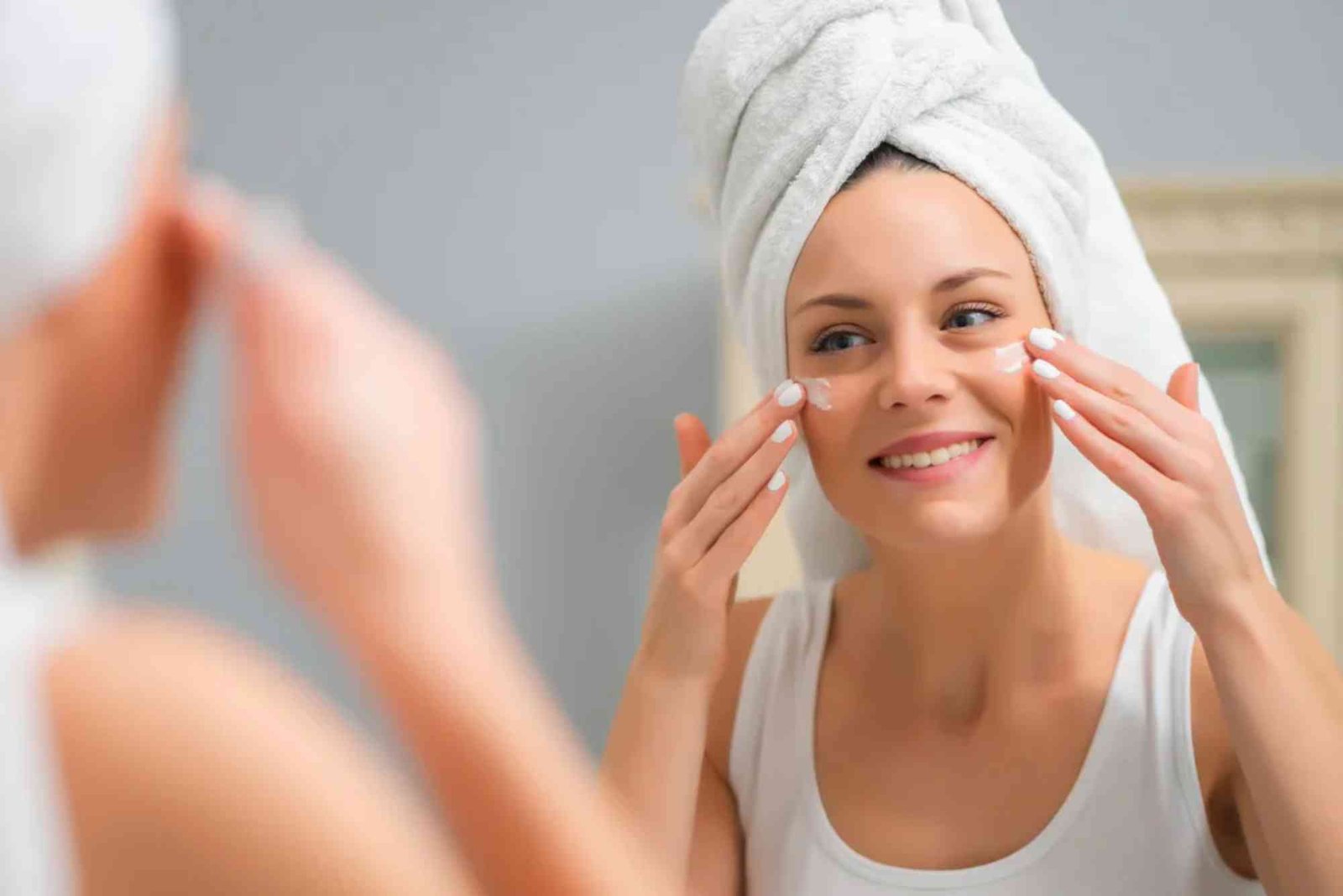
Hydration begins with daily habits that support moisture balance. Start with a gentle cleanser paired with lukewarm water to avoid stripping natural oils. After cleansing, applying a hydrating toner or essence can help prep the skin for further hydration. These lightweight liquids often contain humectants like hyaluronic acid, which attract water into the skin. By layering moisture in this way, your skin stays nourished throughout the day.
Next, a hydrating serum can provide a deeper level of moisture. Serums with ingredients like ceramides, glycerin, and vitamin E not only hydrate but also strengthen the skin barrier. After serums, seal the moisture with a creamy moisturizer. Moisturizers work by locking in water and preventing evaporation. If you’re exposed to dry or windy environments, consider richer creams or facial oils in the evening to deeply nourish the skin while you sleep.
Hydration and Your Workout Routine
If you enjoy staying active, such as attending classes near Orange Theory Mountain View, you might notice your skin reacts differently after workouts. Intensive exercise boosts circulation, increases sweat production, and helps detoxification—but it can also lead to water loss. Sweat appears wet, but if you don’t replenish water afterward, your skin can become dehydrated. Always wash your face after sweating to remove salt and impurities, then follow up with hydration.
Hydrating skin after workouts isn’t optional; it’s essential. Use a lightweight moisturizer that absorbs quickly and supports barrier function. Spritzing with a facial mist or essence immediately after exercise can help cool and rehydrate the skin. Combining internal hydration (water and electrolytes) with topical hydration keeps your skin balanced and glowing even on high‑intensity days.
Choosing the Right Hydrating Ingredients
Not all skincare ingredients are created equal when it comes to hydration. Some ingredients draw water into the skin, while others lock it in for long‑lasting moisture. One powerhouse humectant is hyaluronic acid, which can hold up to 1000 times its weight in water and supports plump, dewy skin. Ceramides help restore the skin barrier and prevent moisture loss, while glycerin draws water from the air into the skin.
Antioxidants like vitamin E and niacinamide also support hydration by protecting against environmental stressors and calming inflammation. Avoid products with excessive alcohol or fragrance, as these can be drying or irritating. Reading ingredient lists empowers you to choose formulas that nourish rather than dehydrate.
Hydrating Masks and Treatments That Help
While daily products are essential, occasional masks and treatments can give your skin a hydration boost. Sheet masks soaked in serums infused with hyaluronic acid and antioxidants are perfect for quick moisture restoration. Applying a hydrating mask once or twice per week can help rescue skin after travel, sun exposure, or change in weather.
Overnight sleeping masks provide continuous nourishment while you rest, locking in hydration with thicker emollients. Some spa treatments like hydrating facials infuse moisture deeper into the skin through professional techniques. Be mindful of your skin’s tolerance and avoid over‑exfoliating around treatments, as this can weaken the skin barrier and compromise hydration.
Lifestyle Habits That Support Hydration
Beautiful, hydrated skin isn’t only about what you apply topically. It starts from within. Drinking adequate water throughout the day supports physiological functions and skin hydration. While the exact amount needed varies, a common recommendation is 8–10 glasses per day, adjusting for exercise, climate, and individual factors.
Nutrition also plays a role. Foods rich in omega‑3 fatty acids, like salmon and flaxseeds, support skin barrier integrity. Fruits and vegetables high in water content, such as cucumbers, watermelon, and oranges, add internal hydration plus valuable vitamins and antioxidants. Reducing excessive caffeine and alcohol can help too, as both may cause slight dehydration if consumed in high amounts.
Consistency matters. Hydrated skin results from daily habits that work together, not quick fixes that offer only temporary effects. Paying attention to your body cues—like dry lips or tight skin—helps you tweak your routine for better results.
Seasonal Changes and Hydration Needs
Your skin’s hydration needs change with the seasons. Cold winter air strips moisture, while hot summer heat can accelerate evaporation. Adjusting your skincare routine seasonally supports hydration all year round. In winter, consider richer creams and adding a humidifier at home to put moisture back into dry indoor air. In summer, lighter gels and serums can provide moisture without feeling heavy or sticky.
Even during transitional seasons like spring and fall, expect fluctuations in humidity and temperature that affect your skin. Always monitor how your skin feels rather than sticking rigidly to one routine. Adaptive hydration ensures your skin maintains balance through every season.
Common Mistakes That Dehydrate Skin
Many people unintentionally make choices that dehydrate rather than hydrate. Over‑cleansing with harsh soaps or hot water strips natural oils that protect the skin. Skipping moisturizer because you “have oily skin” is another frequent error; even oily skin needs balanced hydration. Using too many exfoliants or drying toners can damage the skin barrier and lead to increased water loss.
Sun exposure without daily SPF damages collagen and weakens the skin barrier over time. Always include a broad‑spectrum sunscreen (SPF 30 or higher) to protect against UV‑induced dehydration and aging. These simple adjustments help maintain moisture levels and prevent common hydration disruptions.
Achieving and maintaining deeply hydrated skin doesn’t have to be complicated. By understanding Best Beauty Tips for Skin Hydration orange theory mountain view, you can make informed choices that support moisture from the inside out. Focus on gentle cleansing, ingredient‑rich hydration, smart lifestyle habits, and seasonal adjustments to keep your skin soft, plump, and radiant. Hydrated skin glows, feels resilient, and ages more gracefully.
Looking for reliable insights and updates on technology and finance? Visit binaryus.com for the latest news, expert analysis, and valuable resources to stay ahead in the digital world.
FAQs
What is the best way to hydrate skin daily?
Hydrating skin daily starts with a gentle cleanser, followed by a toner and a hydrating serum. Sealing in moisture with a nutrient‑rich moisturizer helps maintain long‑lasting hydration throughout the day.
Can drinking water improve skin hydration?
Yes, drinking water supports skin hydration from the inside out. Water helps maintain cell function and elasticity, although it should be paired with topical hydration for optimal results.
How often should I use a hydrating mask?
Using a hydrating mask one or two times per week can significantly boost moisture levels, especially after exposure to dry environments or intense workouts.
Are hydrating serums better than creams?
Hydrating serums penetrate deeper into the skin, while creams lock in moisture and protect the skin barrier. Using both in a routine maximizes hydration benefits.
Does exercise help or hurt skin hydration?
Exercise increases circulation and can help with a healthy complexion, but it may cause water loss through sweat. Hydrating the skin after workouts ensures moisture balance is maintained.
How to Studio 44 Family Hair Care Quality Haircuts For All Ages – Studio 44 Family Hair Care offers expert haircuts tailored for every age, ensuring style, comfort, and care. From kids’ trims to adult styling, their skilled team provides personalized attention, using quality techniques and products to keep hair healthy, neat, and beautifully managed for the whole family.