Introduction
A refrigerator is the heart of every modern kitchen, keeping food fresh and beverages cold. But over time, the motor that drives your refrigerator’s cooling system can weaken. Recognizing the early signs of a weak refrigerator motor can save you from costly repairs and potential food spoilage. This guide will walk you step-by-step through the most common symptoms and practical solutions to maintain your appliance.
Understanding the Refrigerator Motor
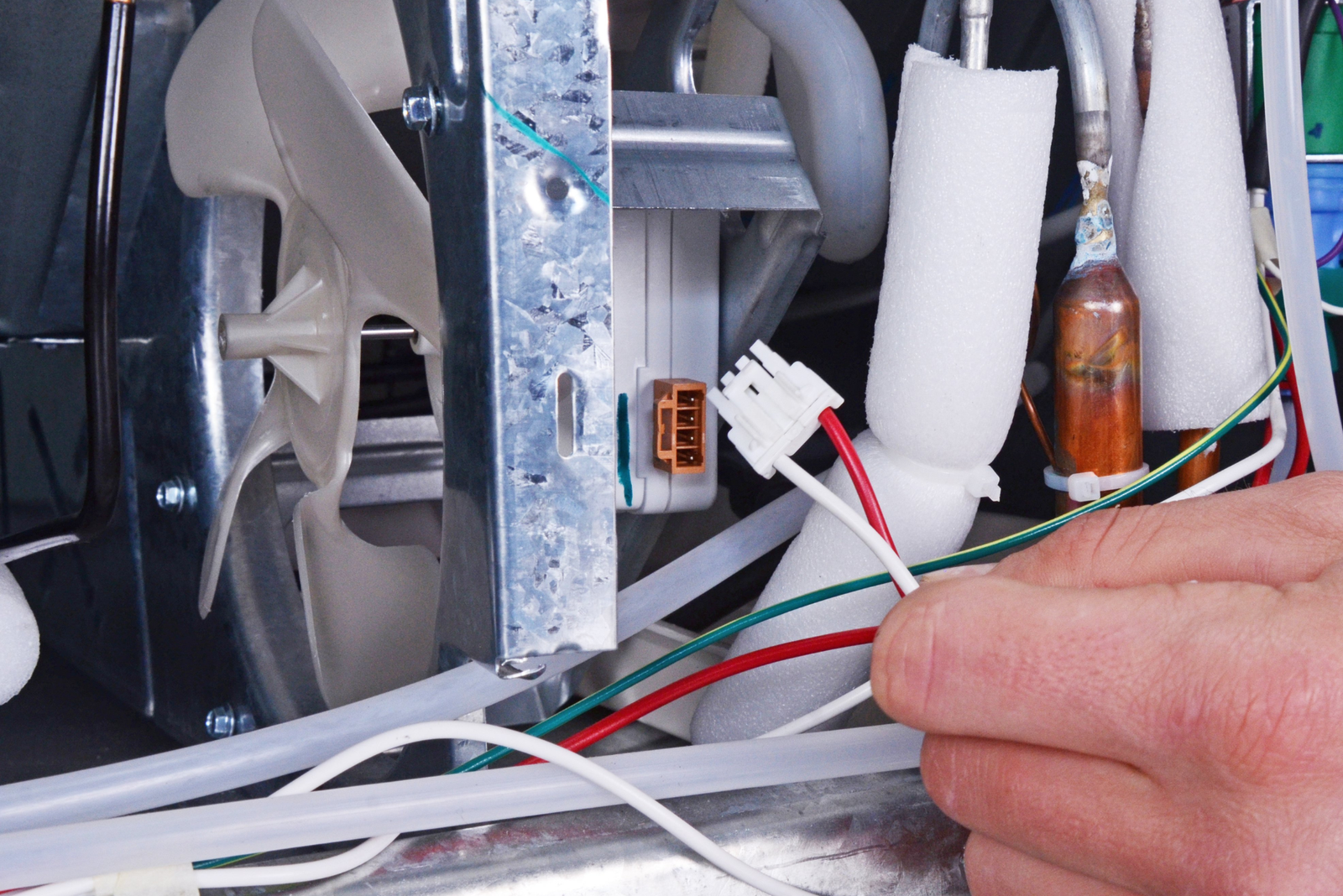
The refrigerator motor, often referred to as the compressor, circulates refrigerant to maintain optimal cooling. When the motor weakens, it struggles to maintain consistent temperatures, resulting in uneven cooling or complete failure. Knowing Signs Of A struggling motor can help you take preventive measures before the damage becomes irreversible.
How a Weak Motor Impacts Your Refrigerator
A weak refrigerator motor can affect various parts of your appliance. It can cause the compressor to overheat, make unusual noises, or increase energy consumption. Homeowners often overlook these subtle changes until the motor fails entirely. By identifying the Signs Of A Weak motor early, you ensure longer appliance life and avoid emergency repairs.
Signs of a Weak Refrigerator Motor
Unusual Noises
One of the first indicators of a failing motor is strange sounds. Listen for buzzing, humming, or clicking noises coming from the back of your fridge. These noises suggest the motor is overworking or struggling to start.
Inconsistent Cooling
A weak motor may lead to uneven temperatures inside your refrigerator. Some shelves might feel colder while others remain slightly warm. This inconsistency can cause food spoilage if not addressed promptly.
Increased Energy Bills
When the motor struggles to maintain proper cooling, it consumes more electricity. A sudden spike in your energy bill may indicate your refrigerator motor is losing efficiency.
Frequent Cycling
If your refrigerator motor turns on and off frequently, it is a sign of weakness. Constant cycling means the motor cannot maintain a stable temperature and is working harder than usual.
Warm Refrigerator Compartment
A failing motor often results in warmer-than-usual temperatures. If your refrigerator fails to keep food cold despite proper settings, the motor might be struggling.
Tripping Circuit Breaker
A weak motor may draw excessive current, causing your home’s circuit breaker to trip. This is a serious sign that the motor could be close to failure and requires immediate attention.
Practical Steps to Maintain a Weak Refrigerator Motor
Clean the Condenser Coils
Dust and debris can increase the motor’s workload. Regularly clean the coils at the back or underneath your fridge to improve efficiency.
Check Door Seals
Damaged door seals let cold air escape, forcing the motor to work harder. Inspect and replace faulty seals to reduce strain on the motor.
Avoid Overloading
Overstuffing your refrigerator restricts airflow and makes the motor work harder. Keep shelves organized and maintain proper spacing between items.
Schedule Professional Maintenance
A technician can inspect and service the motor, compressor, and other components. Early intervention can prevent complete motor failure.
Monitor Temperature Settings
Keep your refrigerator at the recommended temperature, usually between 37–40°F (3–4°C) for the fridge and 0°F (-18°C) for the freezer. Proper settings reduce motor stress.
When to Replace Your Refrigerator Motor
Despite preventive measures, there are times when a motor is beyond repair. Frequent breakdowns, loud noises, or inability to maintain temperature indicate that replacement is necessary. Replacing a motor promptly saves your food, reduces energy costs, and extends the life of your appliance.
Sometimes, the problem may not be the motor but other components like the thermostat, fan, or refrigerant. Proper diagnosis by a certified technician ensures the correct part is repaired or replaced. For more tips and resources, you can check this Related article on idealdubai.ae.
Recognizing the early Signs Of A Weak refrigerator motor is essential for avoiding expensive repairs and maintaining food safety. From unusual noises to inconsistent cooling, paying attention to subtle changes can help you act in time. Take preventive steps like cleaning coils, checking door seals, and scheduling professional maintenance to extend your fridge’s lifespan.
Don’t wait until it’s too late — monitor your refrigerator regularly and act on the signs today. Learn more about maintaining your appliance by visiting this guide on Signs Of A Weak.
FAQs
How can I tell if my refrigerator motor is failing?
Listen for unusual noises, check for inconsistent cooling, and monitor energy consumption. Frequent cycling is also a key indicator.
Why is my refrigerator not cooling properly even though the motor runs?
It could be due to a weak motor, faulty thermostat, or blocked airflow. Inspect all components or call a technician.
Can a weak motor cause food spoilage?
Yes, if the motor cannot maintain proper cooling, food may spoil, leading to waste and health risks.
How often should I service my refrigerator motor?
Professional maintenance every 1–2 years can prevent major failures and improve efficiency.
Are there DIY fixes for a weak refrigerator motor?
You can clean condenser coils, check door seals, and maintain proper temperature settings, but motor repairs usually require a certified technician.
For a more detailed step-by-step approach, explore this full guide on Signs Of A.