Introduction
In today’s fast‑moving business landscape, adopting modern tools isn’t just beneficial — it’s essential. Cloud‑based accounting software has become one of the most transformative solutions for organizations of every size. As more companies shift from traditional desktop systems, they unlock powerful advantages that drive growth, efficiency, and financial clarity. Whether you lead a small business or oversee a growing enterprise, understanding the top benefits of cloud‑based accounting software helps you make smarter technology decisions. This article explores these benefits in depth, offering insights that matter to both financial professionals and business owners.
Why Businesses Are Moving to the Cloud
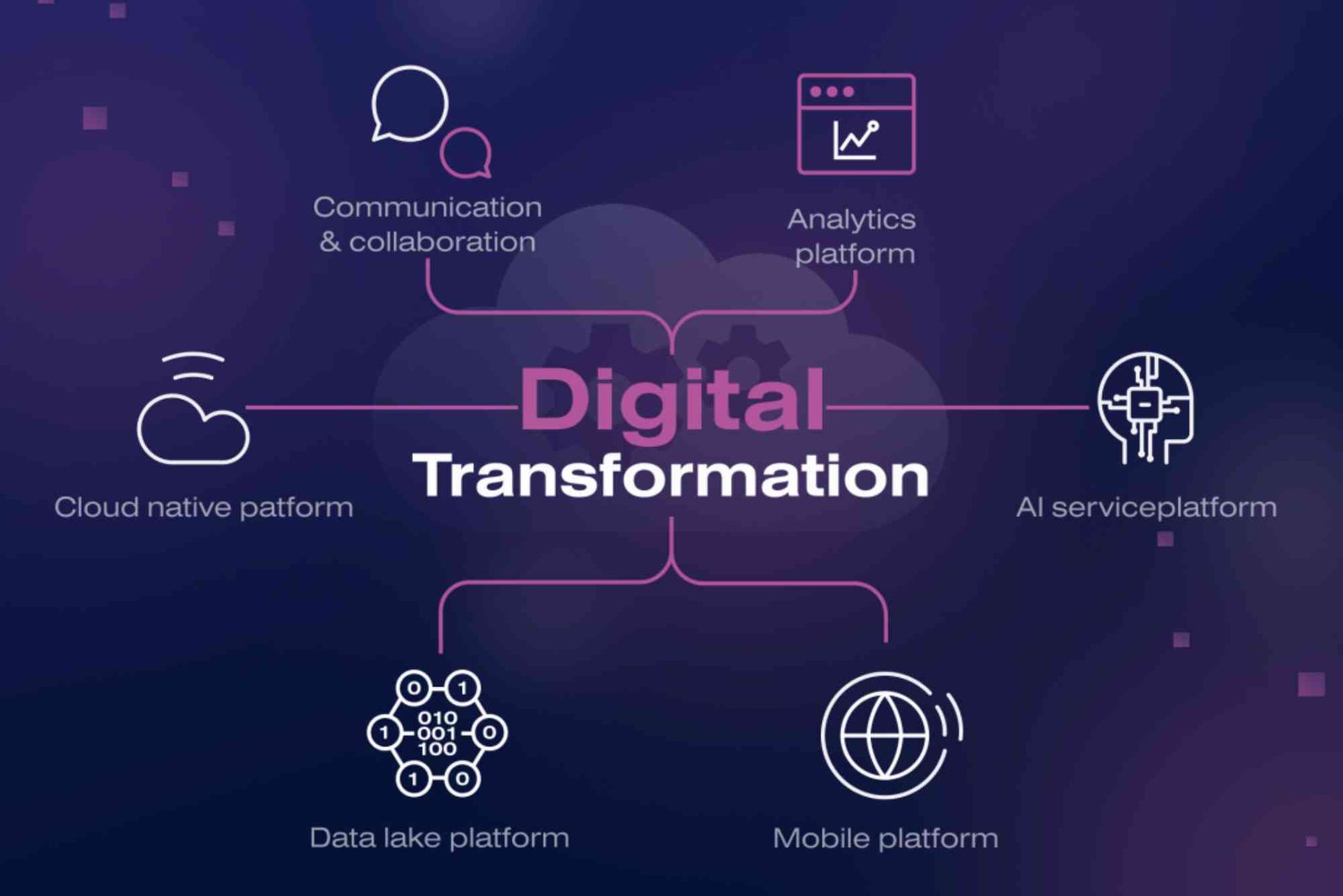
Cloud computing has revolutionized how businesses operate, and accounting is no exception. Traditionally, accounting involved bulky software installed on local computers, periodic backups, and limited access. Today, cloud‑based systems remove those barriers, allowing financial data to be accessed securely from anywhere. This accessibility has led to a surge in adoption as organizations seek greater agility and collaboration.
Cloud‑based accounting software integrates seamlessly with other business systems, making it easier to streamline workflows, reduce duplicative efforts, and enhance overall productivity. This shift reflects a broader trend toward remote operations and real‑time decision‑making, enabled by reliable internet connectivity and advanced software architectures.
Enhanced Accessibility and Real‑Time Access
Always On, Always Updated
One of the strongest benefits of cloud‑based accounting software lies in its accessibility. Unlike desktop software that restricts access to specific machines, cloud solutions allow authorized users to view and update financial data from anywhere with an internet connection. This means your accountant can review numbers from a different city or country, and team members can collaborate without delays.
Real‑time access eliminates the frustration of outdated reports or waiting for file transfers. With cloud systems, everyone sees the same data instantly, fostering collaboration and reducing errors caused by version control issues. For businesses with remote teams, contractors, or multiple offices, this synchronized visibility is invaluable.
Improved Collaboration Across Teams
Cloud‑based solutions empower collaboration in ways traditional systems cannot. Teams no longer need to send files back and forth via email or worry about which version is correct. Instead, users log into a shared platform where updates are reflected immediately. Team members can work simultaneously, review changes as they happen, and discuss issues in context.
This collaborative environment fosters a stronger connection between departments. For example, finance teams can coordinate more effectively with sales or operations, minimizing miscommunication and supporting smoother workflows.
Cost Savings and Predictable Expenses
Reduced IT Infrastructure Costs
Moving to the cloud eliminates many of the expenses associated with on‑premise software. Traditional systems often demand powerful local servers, regular hardware upgrades, and dedicated IT staff to maintain infrastructure. Cloud‑based accounting software shifts these responsibilities to the service provider, reducing your overhead.
With subscription pricing models, businesses pay predictable monthly or annual fees rather than large upfront costs. This predictable expense structure makes budgeting easier and lowers barriers for smaller companies that may not have extensive IT budgets. Cloud software also scales with your business, allowing you to adjust your plan as needs grow.
Automatic Upgrades and Maintenance
In a cloud environment, software updates and maintenance occur automatically in the background. You never have to download patches or worry about outdated versions that could compromise security or performance. The provider handles updates, ensuring you always have access to the latest features and enhancements without downtime or manual effort.
This automated maintenance saves your team time and effort and ensures your accounting system stays current with regulatory changes and industry best practices.
Strong Security and Data Protection
Built‑In Safeguards
Security is a top priority for any business, especially when sensitive financial data is at stake. Cloud‑based accounting providers invest heavily in robust cybersecurity measures, including encryption, secure access controls, firewalls, and intrusion detection systems. These safeguards often exceed what a small business could afford on its own.
When you choose a reputable cloud vendor, your data benefits from enterprise‑grade protection. Most providers also conduct regular security audits and compliance checks to ensure ongoing resilience against emerging threats.
Reliable Backups and Disaster Recovery
Losing financial data can be catastrophic. Cloud‑based accounting systems address this risk by offering automated backups and built‑in disaster recovery features. Instead of relying on manual backups or local storage prone to hardware failure, your data is continuously saved to secure remote servers.
In the event of an outage, natural disaster, or cyber incident, cloud backups allow you to retrieve essential records quickly. This resilience protects your business continuity and gives stakeholders confidence that critical financial information remains safe and accessible.
Real‑Time Financial Insights and Reporting
Up‑to‑Date Financial Visibility
Cloud‑based accounting empowers organizations with real‑time reporting capabilities. Instead of waiting for monthly closes or scheduled reports, leaders and accountants can generate up‑to‑the‑minute insights whenever needed. This transparency enables faster, data‑driven decisions and highlights trends before they become problems.
For example, you can monitor cash flow daily, assess profitability by project, or analyze spending patterns across departments. With dashboards and customizable reports, financial data becomes a living resource rather than a static record. You gain clarity that helps drive operational improvements and strategic planning.
Better Forecasting and Planning
Because cloud platforms centralize financial data and integrate with other systems, forecasting becomes more reliable. Historical trends and real‑time figures help accountants build accurate projections, anticipate cash needs, and prepare for seasonal fluctuations. This capability enhances budgeting and reduces unexpected shortfalls.
Planning with updated information also enables proactive decision‑making. Whether preparing for expansion, adjusting pricing, or allocating resources, teams can act confidently knowing their forecasts are based on current data.
Seamless Integration With Other Business Systems
Connect With CRM, Payroll, and More
Modern businesses operate with multiple tools that each serve a purpose. Cloud‑based accounting software easily connects with customer relationship management (CRM) systems, payroll platforms, e‑commerce solutions, inventory management, and other critical applications. These integrations break down silos and reduce manual data entry.
Automated data flows between systems mean you no longer need to import or export files manually. For example, sales data from your CRM can flow directly into your accounting system, updating revenue figures instantly. This interconnected architecture improves accuracy and saves time.
Streamlined Workflow Automation
Integration supports powerful automation that reduces repetitive tasks and accelerates workflows. Invoices can be generated automatically when a sale is recorded. Payments and bank reconciliations can sync without manual intervention. These efficiencies free your team to focus less on data entry and more on value‑added activities like analysis and strategy.
By minimizing errors and eliminating routine tasks, automation contributes to stronger financial health and a more agile organization.
Regulatory Compliance and Audit Readiness
Built‑In Compliance Features
Cloud‑based vendors stay updated with changes in tax laws, reporting standards, and compliance requirements. As regulations evolve, updates roll out automatically to ensure your software remains compliant. Keeping pace with these shifts manually can be costly and risky, especially for small businesses without dedicated compliance teams.
By leveraging a cloud provider’s expertise, you reduce the burden of interpreting complex regulations and improve your company’s accountability.
Simplified Audits and Documentation
Audits can be stressful, but having organized, up‑to‑date records makes the process far smoother. Cloud accounting systems centralize documentation, track changes, and preserve audit trails that show who made edits and when. This transparency streamlines audit preparation and increases trust with auditors or regulatory bodies.
Rather than sifting through spreadsheets or paper files, your team can present auditors with clear, accessible records that reflect current financial standings.
Scalability and Business Growth
Support for Expansion
As your business grows, so does the complexity of your financial operations. Cloud‑based accounting software scales effortlessly with increasing users, transactions, and requirements. You can add new users, incorporate additional features, and expand to multiple locations without performance loss.
This flexibility ensures your financial system doesn’t become a bottleneck. Instead, it becomes a strategic tool that supports growth and adapts to evolving demands.
Future‑Proof Investment
Investing in scalable technology prepares your business for future challenges. With cloud solutions, you avoid the costly hardware upgrades that frequently accompany traditional accounting systems. Instead, your subscription evolves with your business, offering new capabilities without major capital expenses.
How to Protect Your Website from Hackers Securing your website starts with strong, unique passwords and regular software updates. Use HTTPS, firewalls, and security plugins to guard against attacks. Regularly back up your site, monitor suspicious activity, and educate your team on phishing and malware threats to keep your website safe.
FAQs — Real Questions Users Ask About Cloud Accounting
What Are the Main Advantages of Cloud Accounting Software?
Cloud accounting delivers real‑time access, remote collaboration, lower IT costs, strong security, and seamless integration with other business tools. It also supports automated backups and up‑to‑date compliance with regulatory standards.
How Does Cloud Accounting Improve Small Business Operations?
For small businesses, cloud accounting streamlines financial tasks, reduces manual effort, and improves decision‑making. With real‑time financial visibility and mobile access, owners stay informed and can respond quickly to opportunities or challenges.
Is Cloud Accounting Software Secure?
Reputable cloud providers invest in advanced security measures, including encryption, multi‑factor authentication, and continuous monitoring. These protections frequently exceed what small businesses can implement independently.
Can Cloud Accounting Software Be Customized?
Many cloud platforms offer customizable dashboards, reporting tools, and integrations that align with business needs. Customization ensures the software complements operations rather than forcing processes to adapt.
How Do Cloud Accounting Systems Handle Backups?
Cloud systems perform automated backups to secure remote servers. This reduces the risk of data loss due to hardware failures or local system issues and supports reliable disaster recovery.
Choosing the right accounting solution shapes how your organization operates, collaborates, and grows. The top benefits of cloud‑based accounting software span enhanced accessibility, cost savings, strong security, real‑time insights, seamless integration, and growth support. These advantages position businesses to operate with greater agility and financial clarity, enabling faster decision‑making and more confident planning.
For anyone looking to explore cutting-edge tech insights and digital solutions, binaryus.com is the perfect destination. Discover a wealth of information, tools, and updates all in one place, and stay ahead in the fast-paced world of technology.