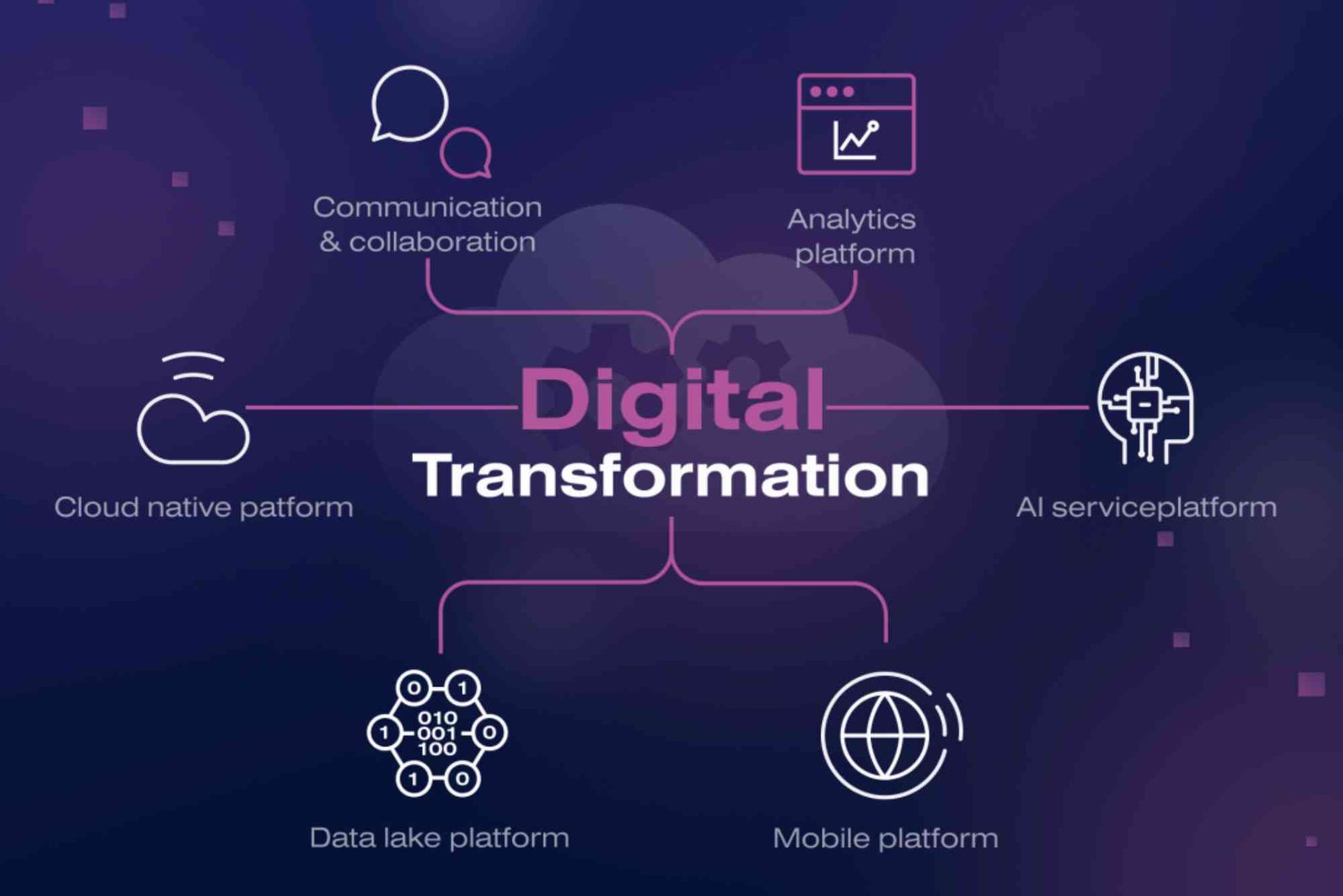
In today’s fast‑moving market, organizations must evolve to stay competitive. Digital transformation is no longer optional — it’s essential. Businesses that embrace change not only improve efficiency but also unlock new growth potential. From improved customer experience to smarter operations, digital transformation helps companies adapt and thrive. In this comprehensive guide, you’ll learn the most effective digital transformation strategies for businesses that drive sustainable success.
Digital transformation isn’t just about adopting new technologies. It’s about rethinking processes, people, and purpose. Leaders need a deep understanding of both business goals and customer expectations to succeed. This article explores practical tactics that organizations of all sizes can implement.
Understanding Digital Transformation in Business
Digital transformation refers to integrating digital technologies into all areas of a business. This fundamental shift changes how companies operate and deliver value to customers. It also fosters a culture that embraces continuous improvement and innovation.
Transformation efforts can vary widely depending on industry, size, and goals. For some companies, it means automating manual processes. For others, it involves creating entirely new digital products. What unites successful transformations is a clear strategy rooted in understanding customer needs and aligning technology with business objectives.
A key aspect of digital transformation is culture. Without buy‑in from employees and leadership, initiatives are more likely to fail. Organizations must foster a mindset that welcomes experimentation, learning, and adaptability. When teams are empowered with the right tools and vision, they become enablers of transformation rather than obstacles.
The Role of Leadership in Digital Transformation
Strong leadership is critical when implementing digital transformation strategies for businesses. Transformation requires bold decision‑making, investment, and a willingness to challenge the status quo. Leaders must set a compelling vision and communicate it consistently across the organization.
A digital leader champions innovation while balancing risks and rewards. They allocate resources strategically and support cross‑functional collaboration. This collaborative culture helps teams break down siloed thinking and work toward shared outcomes.
Moreover, successful leaders embrace data‑driven decision‑making. They prioritize insights over intuition and empower teams to act on real‑time information. This shift builds organizational agility — a crucial trait in an era of rapid change.
Crafting a Customer‑Centric Strategy
One of the most impactful digital transformation strategies for businesses is placing the customer at the center of every initiative. Customers now expect seamless, personalized experiences across channels. Businesses that fail to meet these expectations risk losing loyalty and revenue.
To build a customer‑centric transformation strategy, start by understanding the customer journey. Gather insights through surveys, feedback loops, and analytics tools. Look for pain points, delays, and friction in every interaction.
Then, design digital solutions that address these challenges. This might include streamlined mobile experiences, omnichannel support, or smart personalization engines that tailor recommendations based on behavior. The result is a smoother, more intuitive experience that strengthens customer engagement.
When customers feel understood and valued, they are likelier to remain loyal. This not only improves revenue but also encourages word‑of‑mouth growth and referrals — organic drivers of business success.
Leveraging Data to Drive Insights
Data is the backbone of any effective digital transformation strategy. Businesses that harness data intelligently can uncover deep insights into customer behavior, market trends, and operational performance. This helps leaders make better decisions and anticipate future needs.
A successful data strategy starts with consolidation. Too many companies struggle with fragmented data stored in disparate systems. By centralizing data into unified platforms, teams gain clearer visibility and can perform meaningful analyses.
With strong data governance in place, businesses can apply analytics and machine learning to identify patterns and predict outcomes. These insights support smarter product development, marketing optimization, and customer engagement strategies.
Moreover, data empowers teams to measure results accurately. Rather than guessing which initiatives work, leaders can quantify impact and adjust strategies based on real performance metrics. This continuous improvement loop accelerates strategic success.
Embracing Cloud Technology
Cloud computing is a cornerstone of modern digital transformation strategies for businesses. The cloud offers flexibility, scalability, and cost efficiencies that traditional infrastructure cannot match. It enables organizations to innovate faster and respond to changing demands in real time.
With cloud platforms, companies can scale resources up or down based on usage. This elasticity prevents overspending on unused capacity. It also supports global reach — teams across regions can access tools and data without complex networking requirements.
Cloud‑native applications also facilitate faster development cycles. Because cloud environments support automation, teams can deploy updates frequently and reliably. This accelerates time‑to‑value for products and services, enhancing competitiveness.
Additionally, cloud adoption supports enhanced security and compliance when managed properly. Providers invest heavily in protection measures that many businesses would struggle to maintain on their own. As a result, cloud transformation not only boosts performance but also strengthens resilience.
Modernizing Legacy Systems for Efficiency
Legacy systems often hinder digital transformation efforts. These outdated technologies can be inflexible, costly to maintain, and incompatible with modern tools. Replacing or upgrading them is one of the most impactful digital transformation strategies for businesses.
Modernization can take several forms. In some cases, companies rebuild systems entirely. In others, they use middleware or APIs to bridge old platforms with newer solutions. Whichever approach is chosen, the goal is to reduce technical debt and create a flexible technology environment.
Modern systems also support automation and integration. When tools communicate seamlessly, teams spend less time on manual tasks and more on strategic work. This shift not only improves efficiency but also reduces errors and operational risk.
Transitioning away from legacy technologies is not easy. It requires careful planning, testing, and stakeholder alignment. However, the benefits — including faster innovation, lower maintenance costs, and better customer experiences — make it worthwhile.
Automating Workflows to Boost Productivity
Automation is a powerful digital transformation strategy that drives efficiency and frees human talent for higher‑value work. Repetitive, manual tasks are prime candidates for automation. Whether through robotic process automation (RPA) or intelligent workflows, businesses can eliminate bottlenecks and minimize errors.
By automating routine tasks like data entry, order processing, or reporting, employees can focus on creative problem‑solving and strategic initiatives. This shift enhances job satisfaction and reduces burnout.
Moreover, automation supports consistency. Processes executed by machines follow rules precisely, ensuring uniform outcomes every time. This reliability boosts operational quality and customer satisfaction.
When designing automation initiatives, leaders should partner with frontline workers. These teams understand current pain points and can help identify areas where automation adds the most value. In this way, automation supports both operational excellence and employee engagement.
Enhancing Cybersecurity and Risk Management
As businesses embrace digital transformation strategies for businesses, cybersecurity becomes critically important. More connected systems mean a larger attack surface. Without robust protection, companies risk data breaches, financial loss, and reputational damage.
Cybersecurity should be integrated into every digital initiative from the start. This “security‑by‑design” approach ensures safeguards are not an afterthought. It includes strong identity management, encryption, monitoring tools, and employee training programs.
Employees play a key role in risk prevention. Phishing attacks and human error remain common threats. Ongoing education and awareness help teams recognize risks and respond appropriately.
Investing in advanced tools like behavioral analytics and threat detection platforms also strengthens defenses. These tools can spot unusual activity early and help prevent breaches before they escalate.
By prioritizing security, businesses build trust with customers and partners alike. Trust is a competitive advantage in the digital age.
Building a Culture of Continuous Learning
One of the most often overlooked digital transformation strategies for businesses is nurturing a culture of learning. Technology evolves fast. To stay ahead, employees must continuously update their skills and mindset.
Organizations can support learning through structured programs, mentorship, and access to online resources. Encouraging experimentation and curiosity helps people embrace new technologies instead of resisting them.
Leaders should reward innovation and recognize those who contribute transformative ideas. This motivates teams to push boundaries and explore solutions that improve outcomes.
A learning culture also reduces fear of failure. When people understand that mistakes are part of growth, they take calculated risks that may lead to breakthroughs. This environment fuels creativity and long‑term resilience.
Personalizing Customer Experiences
Personalization has become a key differentiator in digital transformation. Customers expect interactions catered to their needs, preferences, and behaviors. Businesses that deliver personalized experiences foster deeper engagement and loyalty.
To personalize effectively, organizations must leverage data responsibly. Insights into past behaviors, purchase history, and preferences inform tailored recommendations, offers, and communications.
AI and machine learning technologies play an important role here. These tools can analyze vast datasets and identify patterns that humans may miss. With the right models, companies can tailor digital experiences in real time.
However, personalization must respect privacy. Transparent data practices and clear consent mechanisms build trust. Customers are more comfortable sharing information when they understand how it’s used and see clear value in return.
Measuring Success and Iterating
No digital transformation strategy is complete without measurement. Businesses must define key performance indicators (KPIs) and regularly assess progress. These metrics might include revenue growth, customer satisfaction, operational efficiency, or time to market.
Measurement helps teams understand what’s working and where improvements are needed. It also demonstrates ROI to stakeholders, supporting continued investment and momentum.
Successful organizations use measurement as a feedback loop. They iterate on strategies, refine processes, and evolve plans based on real outcomes. This iterative mindset ensures long‑term transformation rather than short‑lived projects.
Embracing Innovation Beyond Technology
Often, digital transformation is mistakenly viewed as solely a technological shift. True transformation goes beyond tools — it involves reimagining how the business delivers value.
Innovative thinking encourages organizations to explore new business models, revenue streams, and partnerships. For example, subscription‑based services, digital marketplaces, or ecosystem collaborations may open new avenues for growth.
Innovation is fueled by diverse perspectives. When teams are cross‑functional and inclusive, ideas flow more freely, leading to creative solutions. This broadens the impact of digital transformation beyond internal processes to strategic business outcomes.
How IT Modernization Improves Business Performance IT modernization boosts business performance by streamlining processes, enhancing data security, and enabling faster decision-making. Upgrading legacy systems to modern technologies improves efficiency, reduces downtime, and supports innovation. This allows companies to respond quickly to market changes, optimize operations, and gain a competitive edge.
Transform with Purpose
Digital transformation is a journey — not a one‑time project. By implementing the right strategies, businesses position themselves for long‑term success. From customer‑centric approaches and data‑driven insights to automation and innovation, each strategy contributes to a sustainable competitive advantage.
Frequently Asked Questions
What is digital transformation for businesses?
Digital transformation for businesses means integrating digital technologies into all aspects of operations. It enhances processes, customer experience, and overall business performance. Real transformation also requires cultural change and continuous innovation.
How does digital transformation benefit companies?
Transformation helps companies boost efficiency, improve customer satisfaction, reduce costs, and adapt quickly to market changes. When implemented thoughtfully, it drives growth and increases competitiveness.
What are the biggest challenges in digital transformation?
Common challenges include resistance to change, lack of leadership alignment, data silos, legacy systems, and skill gaps. Addressing these issues with a clear strategy and strong communication is essential.
How long does digital transformation take?
There’s no fixed timeline. Transformation depends on business size, complexity, and goals. Some initiatives may take months, while broader cultural shifts can span years. Continuous iteration and measurement are key.
For anyone looking to explore cutting-edge tech insights and digital solutions, binaryus.com is the perfect destination. Discover a wealth of information, tools, and updates all in one place, and stay ahead in the fast-paced world of technology.